5 Tips for Protecting Your Trees from Diseases
Ingram’s Tree Service • January 16, 2025
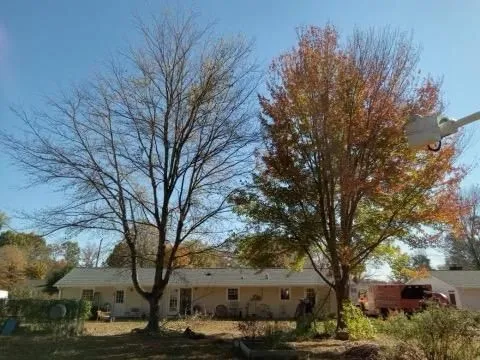
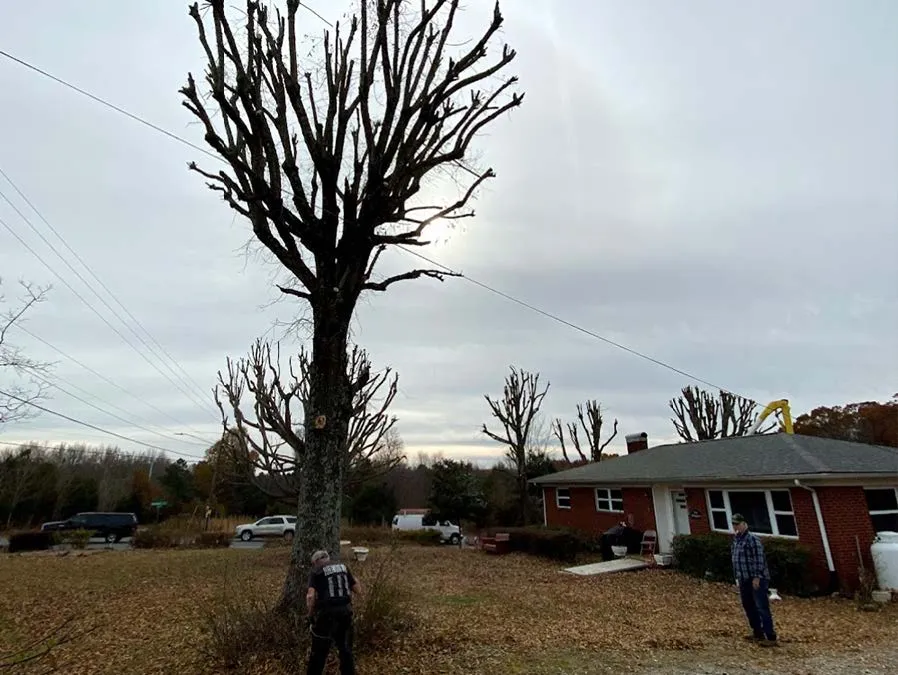
A house with trees in front of it and a crane in the background.

Maintaining healthy trees is essential for preserving their beauty and ecological benefits. Trees are vulnerable to various diseases, but with proper care and attention, you can reduce the risk of infection and help ensure their well-being. If you have any concerns about your trees’ health, our team at Ingram’s Tree Service can conduct an inspection and determine the proper course of action. Here’s a look at five tips for protecting your trees from diseases.


Proper Tree Planting Techniques 

One of the most effective ways to prevent tree diseases begins with proper planting techniques. Trees should be planted in locations that suit their specific soil, sunlight, and spacing requirements. Planting a tree too deep, in poor soil, or in an area with inadequate drainage can weaken its immune system, making it more susceptible to disease. Ensuring the right conditions from the start helps trees establish strong roots and grow healthily.


Regular Pruning and Maintenance 

Pruning plays a critical role in maintaining tree health and reducing disease risks. Removing dead, damaged, or diseased branches helps prevent the spread of infections and allows for better air circulation through the canopy. However, it’s important to prune trees correctly and at the right time of year to avoid causing stress or exposing fresh wounds to disease pathogens.


Monitor for Pests and Symptoms of Disease 

Pests often act as carriers for tree diseases, and their presence can lead to significant damage if left unchecked. Regularly inspect your trees for signs of disease, such as discolored leaves, unusual growths, or bark abnormalities. Early detection allows you to address problems quickly before they become widespread and cause irreversible damage.


Water and Fertilize Properly 

Providing trees with adequate water and nutrients is essential for maintaining their resilience against diseases. Overwatering or underwatering can weaken a tree's immune system, making it more vulnerable to pathogens. Similarly, over-fertilization can stress a tree and invite disease. It’s important to understand each tree's specific needs and maintain a consistent care routine.


Hire a Professional Arborist 

While many homeowners can handle some basic tree care, professional arborists have the expertise to identify early signs of disease, pests, and structural weaknesses. They can provide specialized treatments to address specific issues. Regular professional inspections help ensure trees remain healthy and reduce the risk of serious problems.


Arborist in High Point, NC

When you need an arborist in High Point and the surrounding area, contact Ingram’s Tree Service at (336) 471-4934. We provide expertise with both residential and commercial tree care in High Point, NC. Feel free to give us a call to ask for a local arborist estimate!
By Ingram’s Tree Service • October 15, 2026
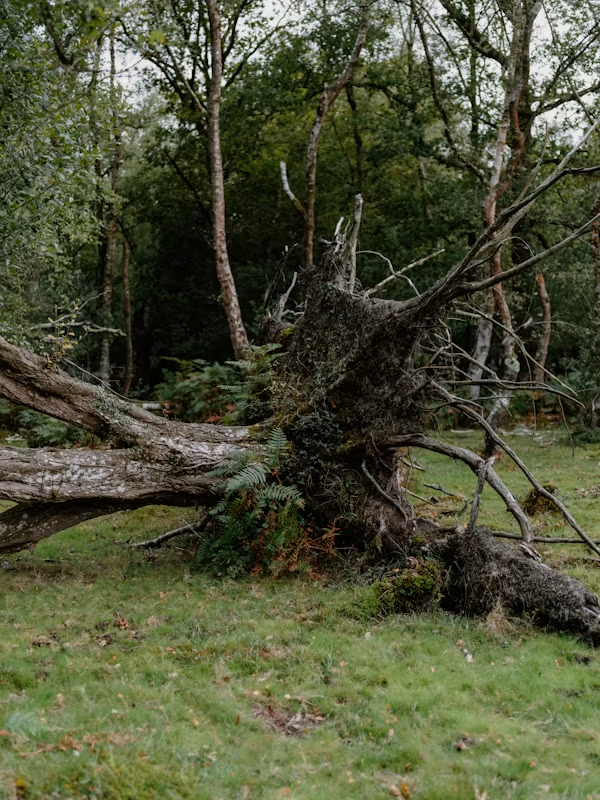
Strong winds can place tremendous stress on trees, particularly those that are already weakened by disease, structural damage, root problems, or age. While it’s impossible to predict exactly how a tree will respond to a severe storm, certain warning signs may indicate increased risk of failure. Identifying these conditions early gives you an opportunity to have the tree professionally evaluated before high winds create a very dangerous situation. At Ingram’s Tree Service, we provide expert hazardous tree removal in the greater High Point area. Here are four indications that a tree may be especially prone to toppling during severe weather. A Noticeable or Recently Developed Lean A tree that leans significantly may have an increased risk of falling, especially if the lean has developed recently. Changes in soil conditions, root damage, erosion, and structural problems can affect a tree's stability. Pay particular attention when a leaning tree is positioned near your home, vehicles, or walkways. Exposed or Damaged Roots Healthy roots help anchor a tree securely in the ground. Roots that are exposed, broken, decaying, or damaged can reduce a tree's stability. Construction activity, soil erosion, flooding, and disease can all affect the root system. If you notice soil lifting or cracking around the base of a tree, an arborist should evaluate the condition before the next major storm. Signs of Decay or Disease Disease and decay can weaken a tree from the inside, sometimes without obvious external symptoms. Fungal growth, hollow areas, extensive dead branches, peeling bark, and significant canopy decline can all warrant closer inspection. A weakened tree may have less structural strength than it appears to have, increasing concerns during periods of strong wind. Splits in the Trunk Large cracks, deep splits, and cavities in the trunk can compromise a tree's structural strength. These issues may become particularly concerning when strong winds place additional pressure on the trunk and canopy. Although not every crack means a tree is destined to fall, significant trunk damage should be professionally inspected to determine whether taking action is necessary. Hazardous Tree Removal in High Point, NC For expert hazardous tree removal in High Point and the surrounding area, contact Ingram’s Tree Service at  (336) 471-4934  . Feel free to give us a call to arrange a local arborist estimate!
By Ingram's Tree Service • September 14, 2026
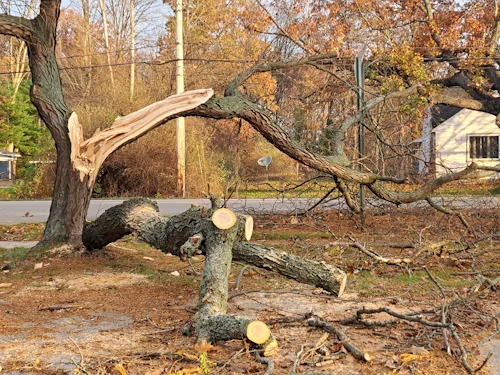
Severe weather can leave trees with broken branches, damaged trunks, exposed roots, and weakened structures. Unfortunately, some storm damage isn't obvious from the ground, and a tree that appears stable may still pose a serious hazard. Having an arborist inspect storm-damaged trees can help identify hidden problems and decide what should be done next. At Ingram's Tree Service, our local arborists can evaluate storm-damaged trees and determine the right action to take. Here are four important reasons to have an arborist evaluate trees after a major storm. Identify Hidden Structural Damage Storms can cause splits, internal damage, and weakened branch attachments that aren't always easy to see. A tree may remain standing even though its structural integrity has been compromised. An arborist has the training to evaluate the trunk, major limbs, root system, and branch connections for potential hazards. Identifying hidden damage can help determine whether pruning, removal, or additional monitoring is appropriate. Reduce the Risk of Falling Branches Broken and partially detached branches can become dangerous after a storm. Even limbs that remain attached may be weakened and could fall later because of wind, rain, or other additional stress. An arborist can identify hazardous branches and recommend appropriate pruning or removal. Addressing these problems promptly can reduce risks to people and property. Assess Root and Soil Damage Heavy winds can place tremendous stress on a tree's root system. Storms may expose roots, disturb surrounding soil, or cause a tree to shift or lean. Root damage can compromise stability even when the canopy appears relatively intact. An arborist can evaluate the tree's base and surrounding ground to determine whether the tree remains stable and what steps may be necessary to address the damage. Determine Whether a Tree Can Be Saved Not every storm-damaged tree needs to be removed. Depending on the extent of the damage, some trees may be capable of recovering with proper care. An arborist can assess the tree's overall condition and determine whether selective pruning or other treatments may allow it to remain in place. Professional evaluation can help homeowners avoid unnecessary removal while still addressing legitimate safety concerns. Arborist in High Point, NC When you need tree care in High Point, NC and the surrounding area, contact Ingram’s Tree Service at  (336) 471-4934  . We provide expertise with both residential and commercial tree services in High Point. Feel free to give us a call to ask for a local arborist estimate!
By Ingram’s Tree Service • August 15, 2026
Because tree removal involves specialized equipment and potentially hazardous conditions, many property owners have questions about the process before scheduling service. Understanding what professional tree removal entails can help you make informed decisions. At Ingram’s Tree Service, our local arborists are happy to answer your questions about tree removal in the greater High Point area. When Is Professional Tree Removal Necessary? Professional tree removal is recommended when a tree poses a safety risk or can no longer be preserved. Common reasons include severe storm damage, extensive decay, significant leaning, disease, insect infestations, or root damage that compromises stability. Trees growing too close to homes, garages, utility lines, or other structures may also require removal if they threaten nearby property. A qualified tree professional can evaluate the tree and determine whether removal is the most appropriate solution. Why Should I Hire a Professional Instead of Removing the Tree Myself? Tree removal is one of the most dangerous types of outdoor work. Even relatively small trees can fall unpredictably, while large trees require careful planning and specialized equipment to remove safely. Professional tree removal companies have the experience, safety training, and equipment needed to dismantle trees in a controlled manner. Hiring professionals greatly reduces the risk of injury and property damage. What Happens to the Tree After It's Removed? Removal typically includes debris cleanup as part of the service. Branches, brush, and trunk sections are hauled away or processed into wood chips. Depending on your preferences, larger logs may be cut into firewood and left on the property. Can the Stump Be Removed at the Same Time? Yes. You can also opt for stump grinding or complete stump removal. Eliminating the stump reduces tripping hazards, discourages insect infestations, and prevents new sprouts from growing. Removing the stump also makes it easier to plant grass, install landscaping, or use the area for other outdoor improvements. Where Can I Find Professional Tree Removal in High Point, NC? For expert tree removal in High Point and the surrounding area, contact Ingram’s Tree Service at  (336) 471-4934  . Feel free to give us a call to ask for a local arborist estimate!
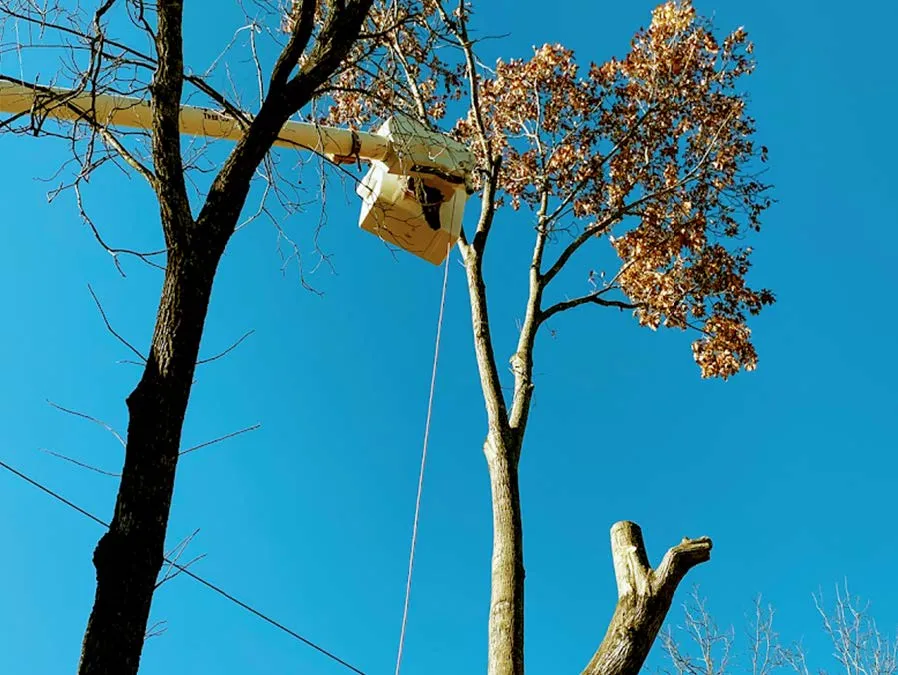
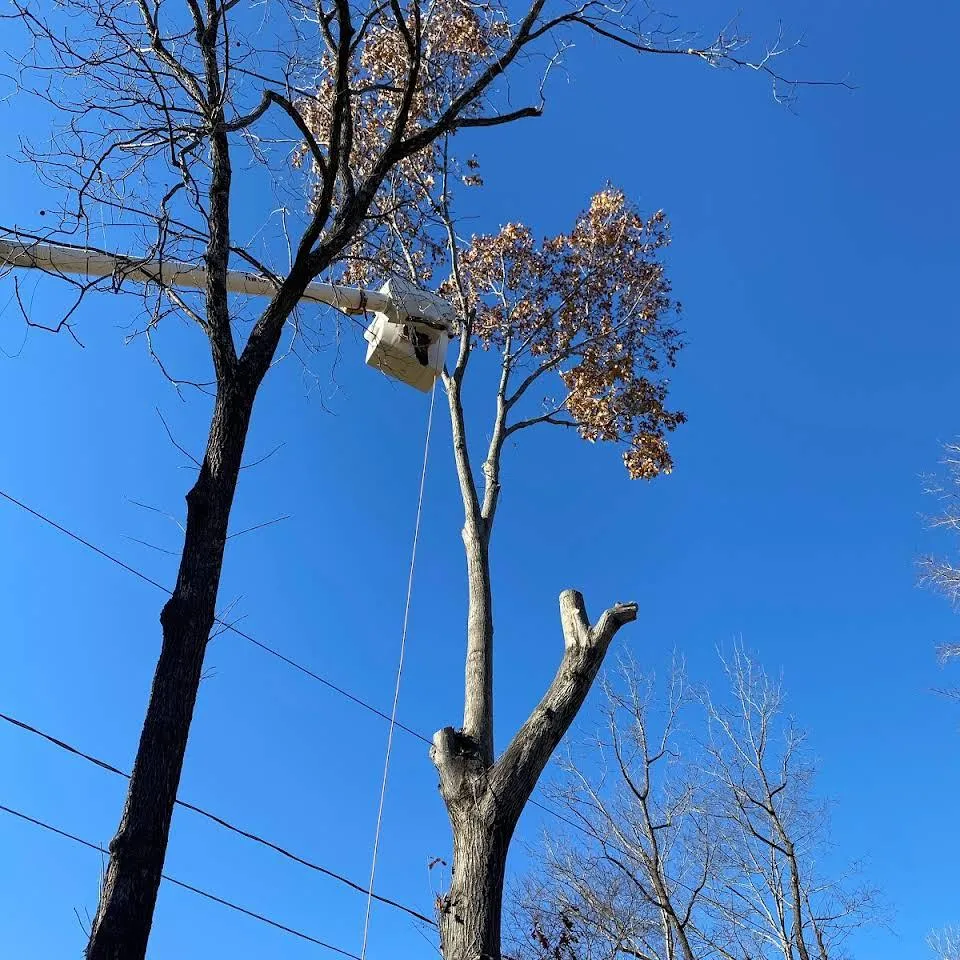
Tree trimmer in a bucket lift pruning tall trees against a bright blue sky
By Ingram’s Tree Service • July 13, 2026
Protect your commercial property with expert arborist evaluations. Identify risks & enhance value with Ingram’s Tree Service.
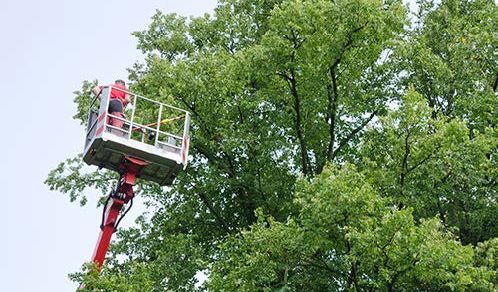
Worker in a red cherry picker trimming a tall green tree
By Ingram’sTree Service • June 15, 2026
Prepare your trees for hurricane season with expert pruning & health assessments. Contact Ingram’s Tree Service today!
Tree trimmers in a bucket lift pruning tall bare trees against a blue sky
By Ingram’s Tree Service • May 14, 2026
Identify signs of a dying tree & when to call for help. Ingram’s Tree Service provides expert evaluations in High Point, NC.
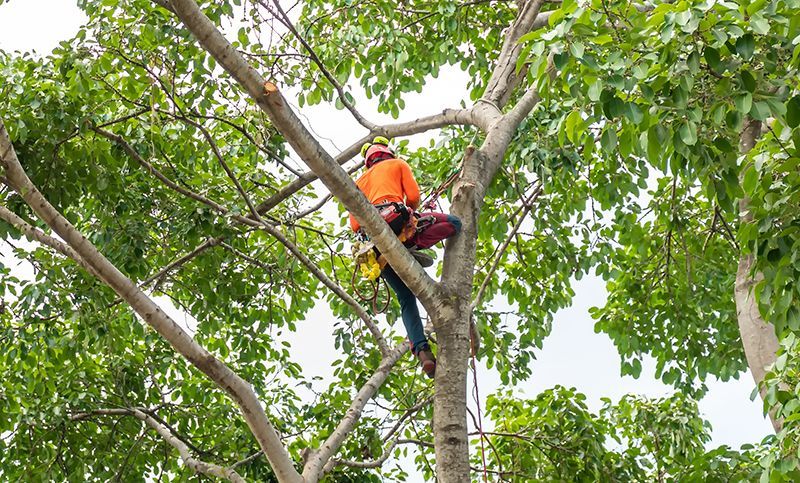
A worker in an orange shirt and safety helmet uses a chainsaw to trim branches high up in a large, green tree.
By Ingram’s Tree Service • April 9, 2026
Read the latest reviews for Ingram’s Tree Service. See how we excel in tree trimming, removal, & stump grinding. Contact us today!
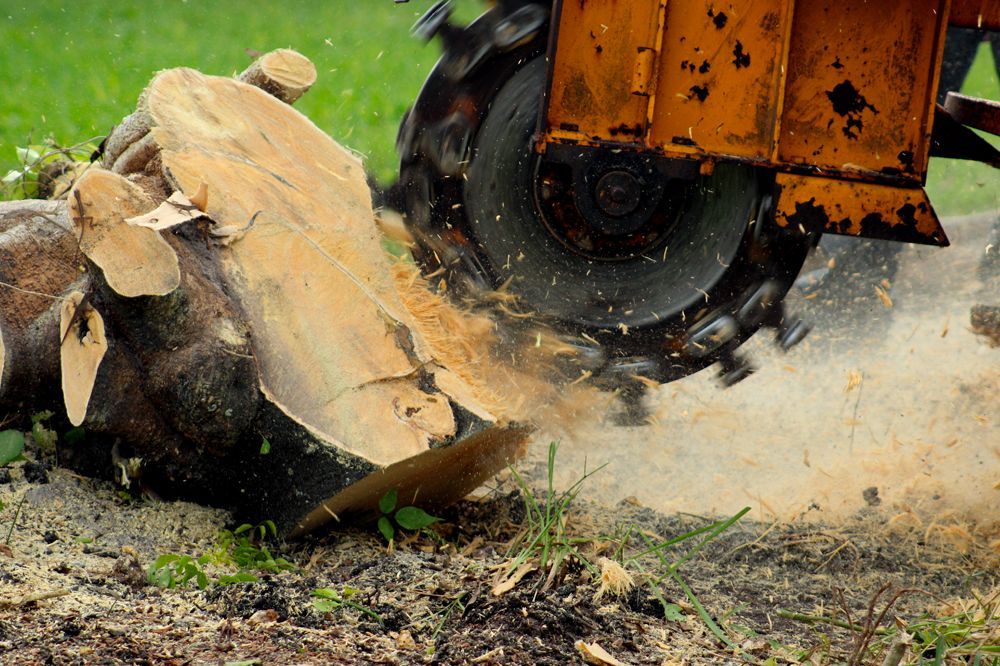
A yellow stump grinder cuts into a large tree stump, throwing wood chips across a grassy area.
By Ingram’s Tree Service • March 16, 2026
Get essential info on stump grinding & removal. Learn about safety & pest control. Contact Ingram’s Tree Service for expert help!
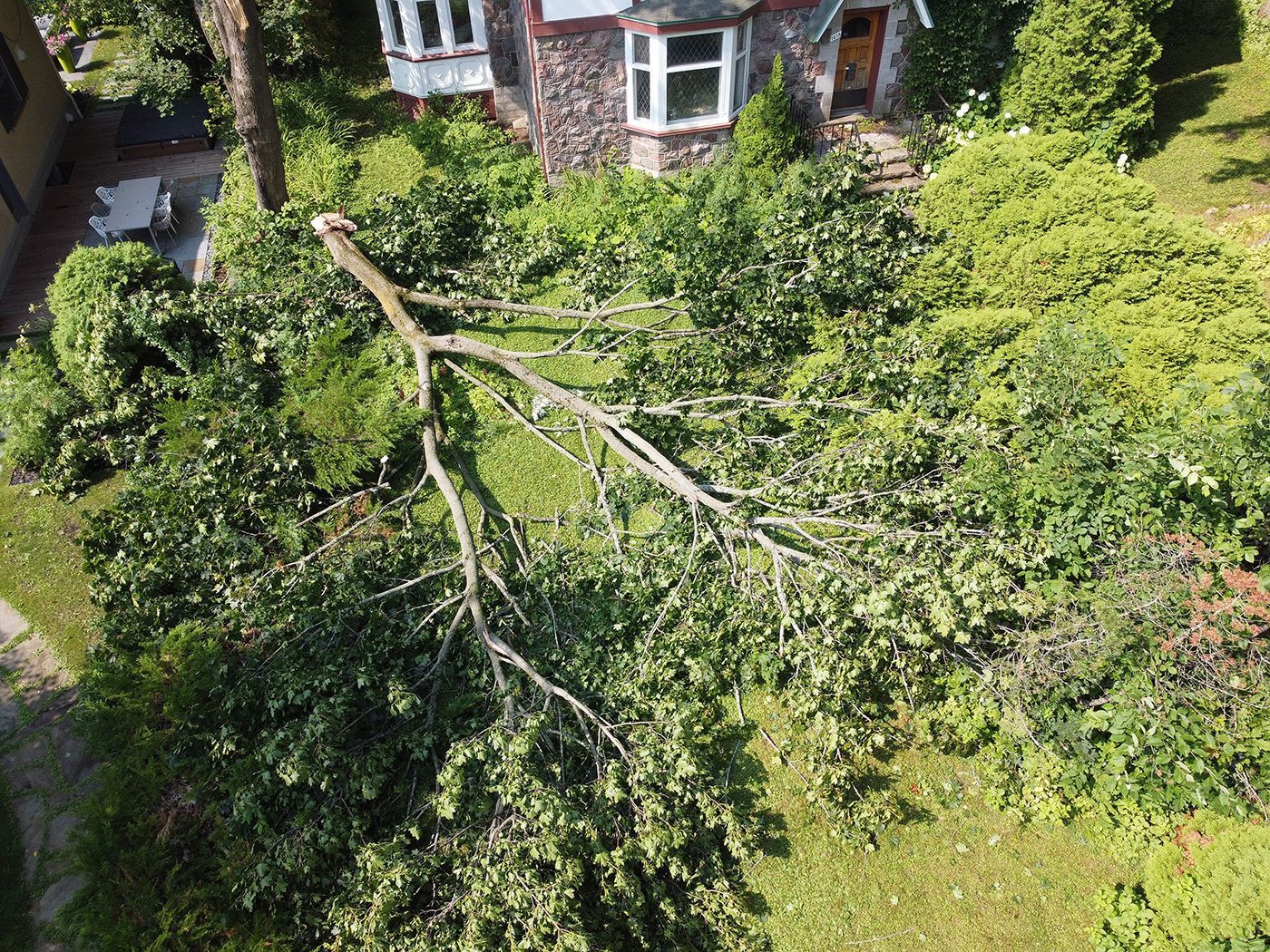
Fallen tree branch on lawn in front of a house, surrounded by bushes and greenery.
By Ingram’s Tree Service • February 14, 2026
Learn about dead tree signs, risks, & removal processes. Contact Ingram’s Tree Service for safe tree removal solutions!
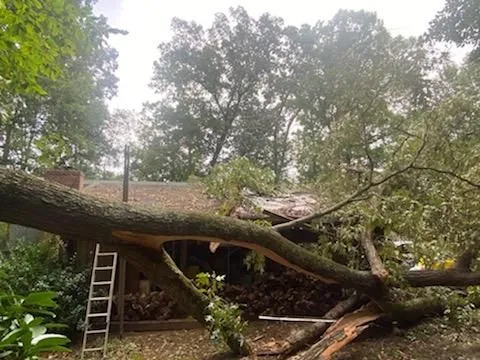
A large tree branch fallen on a house roof. A ladder leans against the building. Cloudy, outdoor setting.
By Ingram’s Tree Service • January 7, 2026
Identify warning signs of hazardous trees threatening your home. Contact Ingram’s Tree Service for expert assessments & safe removal.
Show More